Doming a Plant in Bud Can Cost You the Whole Bloom
A dome only buffers dry air. Bud blast also comes from drafts, ethylene, and temperature drops — and a sealed dome invites botrytis on the petals.
A dome only buffers dry air. Bud blast also comes from drafts, ethylene, and temperature drops — and a sealed dome invites botrytis on the petals.
A dated six-week long-night protocol for Christmas cactus, kalanchoe, and orchids, paired with the night temperature drop that makes buds actually set.
Bark condition, root escape, and new root tips tell you when a Phalaenopsis actually needs repotting, and why repotting too early sets the plant back.
Chlorine off-gasses from a standing jug; chloramine does not. The habit only works on one of them, and the real benefit is room-temperature water.
A failed cool-night temperature drop rarely means the plant is broken. Check depth, duration, light, root health, and maturity before changing anything.
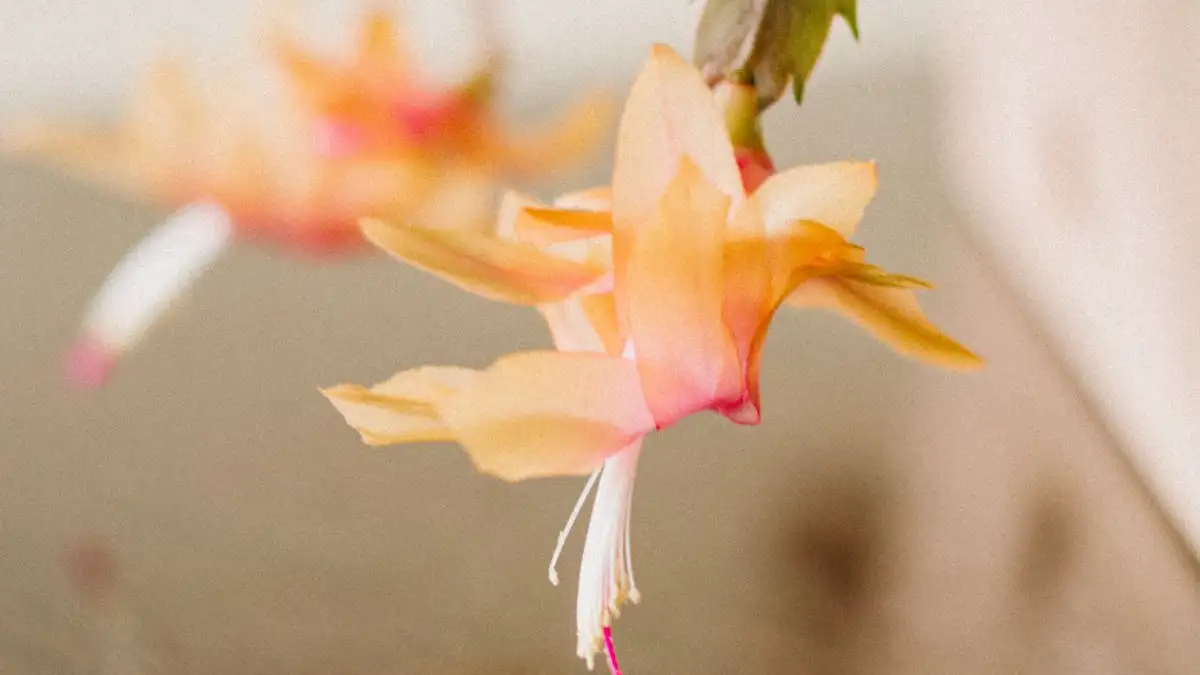
Pointed teeth mean Thanksgiving cactus; rounded scallops mean Christmas cactus. Match the dark period to the right species for on-time blooms.
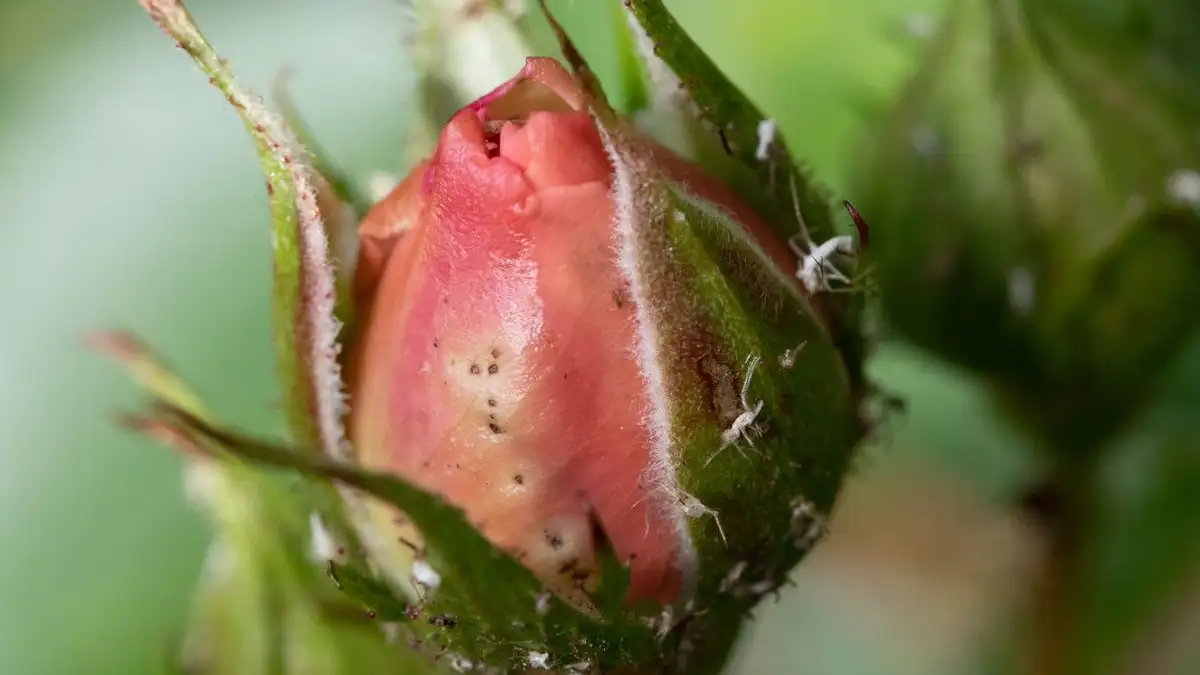
Black specks and silvery streaks on buds mean thrips feeding from inside the flower. Here's how to confirm them and get a clean next flush of bloom.
A cool north window after dark can start flower spikes on orchids, holiday cacti, and kalanchoe. Here's the temperature drop and watering shift that does it.
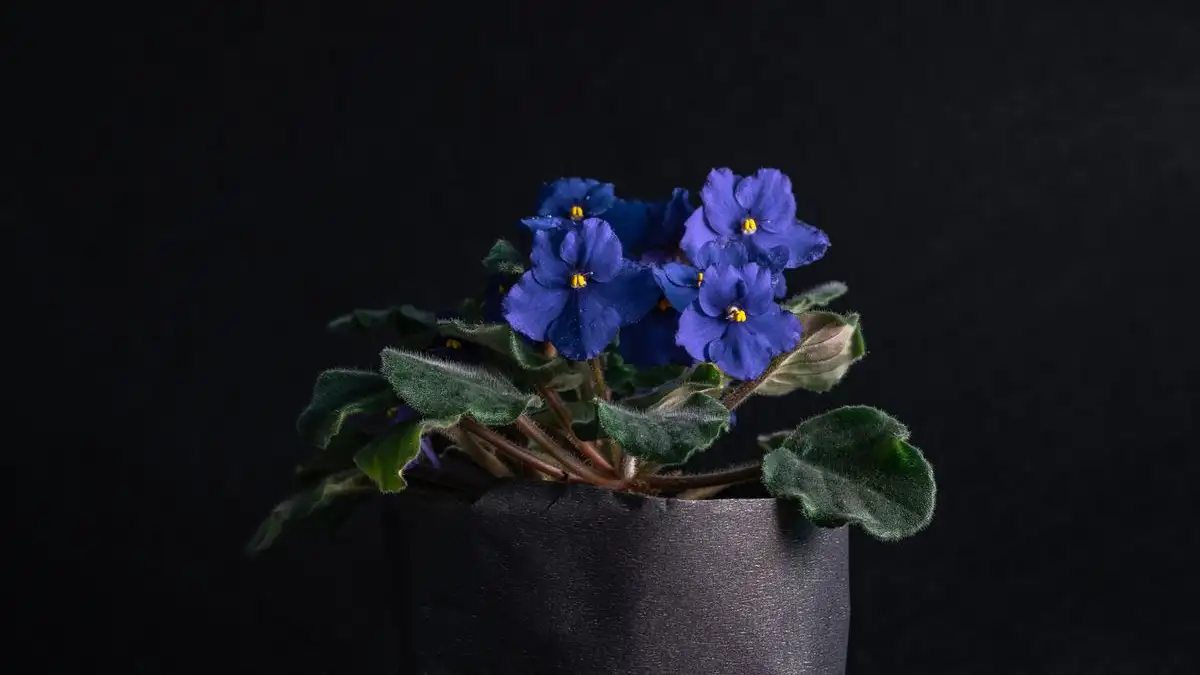
Repot an African violet one pot size up — four inches to five — only when roots fill the pot or the mix collapses, and set the crown above the medium line.
Cold tap water in January chills roots, rings African violet leaves, and blasts buds. Bring winter water to room temperature first, and water in the morning.